

FIRST COMMUNITY RESOURCE CENTRE
People our Passion
Ceasefire and AFS-KHUSELA modules have proven to be very successful in its pilot implementation over the last 5 years.
Get Involved
South Africa CeaseFire Model and its application in combination with the AFS-KHUSELA Community- Based Prevention Model programming in Hanover Park and other Cape Flats Communities.
Table of Contents
1. Community Mobilisation
2. Public Education and Mass Media
3. Research and Monitoring
4. Violence Interruption
5. Outreach Work
6. Beneficiaries
7. Challenges
8. Impact
9. Evaluation
* Implementation (2010–2018)
* Merging CeaseFire & AFS-KHUSELA (2021)
10.Conclusions and Strategy Frameworks
1. Community Mobilisation
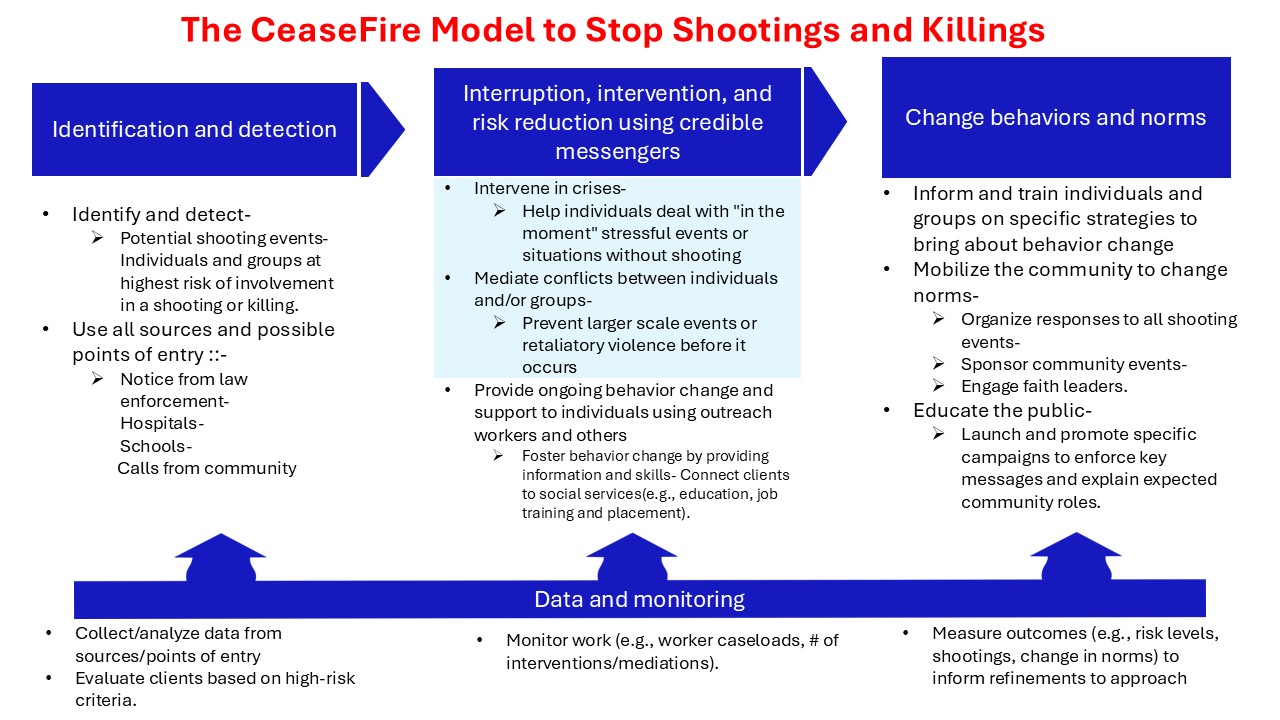
Community mobilisation is a common public health strategy for addressing issues and getting broad public support for an intervention. The CeaseFire Coalition mobilises residents, local businesses, CBOs and NGOs, members of faith communities and other influential individuals and groups. The purpose of this community mobilisation is to build a broad support base for the CeaseFire work. Strong community support is vital for the success of the intervention.
Violence prevention coordinators take the lead in community mobilisation by building and maintaining various networks that all have a vested stake in the success of the model.
These will be through existing forms like – neighbourhood watches, community policing forums, community safety forums, street committees, block committees and faith groups, civic organisations and NGO, s new platforms will also be established to mobilise groups that have not previously been included in the existing networks. These networks and groups are central in maintaining the visibility of CeaseFire.
Responses to shootings – An important program strategy will be to organise rapid community responses to shootings. This project will mobilise community networks in the target area so that every time there is a shooting these community networks gather at the site of the shooting and have a small peace vigil, prayer or rally. This peaceful gathering is a community-led response to violence. It is a tangible way of community members saying “NO” to shootings and reclaiming their physical spaces as violence-free zones.
Following an incident, outreach workers and other staff members will conduct a door-to-door canvass in the vicinity of the event, distributing program literature and spreading word that a collective response by the community is being organised. The goal of these responses is to spread word both about victims and the horror that violence brings to communities. This visible community outrage will impact the attitudes of high-risk youth in the target area. These visible community responses will reinforce community norms against violence and give individuals the sense that they can take positive, collective action against crime.
Convey the CeaseFire message – One of the central pillars of the CeaseFire approach is “one message, many messengers”. The Community Mobilisation component will be an important conduit for getting the CeaseFire message out. The
project will mobilise an array of stakeholders to distribute CeaseFire material. This messaging feature will form a continual element of the project.
Data collection – While there is a separate Research and Monitoring component, some of the data required can best be sourced and collected through ‘on the ground’ community networks. The project will employ community mobilisation techniques to gather important inside information and data that will not be available via official channels like SAPS statistics.
The project also mobilises communities to develop and execute a community centred safety plan/violence prevention plan. This will entail a full community profile detailing the features of the target area in terms of existing community resources and needs. This activity will assist with building community buy-in and legitimacy.
2. Public Education and Mass Media
As mentioned in the Community Mobilisation component, CeaseFire is grounded in the strategy of “one message, many messengers”. Proven social marketing and public health communication strategies will be used to spread the CeaseFire message. A long-term campaign will be developed to challenge social norms that treat violence as acceptable. We will use empathy-based, culturally specific messages to challenge the dominant thinking about violence. This mass media campaign will spread the CeaseFire message in a range of ways, through:
Community and national radio
Community and national print media
CeaseFire messaging in all utility bills in the target area
CeaseFire messaging in all public transport terminals
Pamphlets, posters and other signage in all local shops, taverns, shebeens, churches, mosques etc
Public art displays and murals on walls in high foot traffic areas
Ambush theatre in busy public spaces
Cell phone text messages carrying the CeaseFire message and the social networks like Facebook
All material will appear in English, Afrikaans and Xhosa as these are the three most dominant languages in the Western Cape.
3. Research and Monitoring
Although this has been listed as a separate component, it should be seen as part of all the project components. One of the most notable features of this CeaseFire project will be our commitment to developing systematic indicators of program activity and outcomes. This project will be “managed by outcomes” with an in-house evaluation unit that will maintain systematic data on trends in shootings and killings. Every phase and element of the roll-out will be meticulously documented and monitored. This monitoring will form part of an extensive evaluation, utilising verifiable indicators.
Formative and summative research will be undertaken with a view to replicating the model in other high risk areas in the future. The research and monitoring will be
coordinated by the University of Cape Town, and will be published and disseminated nationally and internationally.
Data is collected from a range of sources. The primary data sources will be:
* Official SAPS statistics on shootings and firearm murders
* Mortality data from hospitals (National Injury Mortality Surveillance System)
Public perception data from surveys and focus groups
Real time data collection apps
ShotSpotter acoustic gun detection system
4. Violence Interruption
This component of the model relates directly to the disease control aspect of detecting and stopping transmission. Violence Interrupters (VIs) keep the pulse of the community and are trained to be able to detect who has a grievance and might be thinking about or planning a violent event. It is vital that the most credible persons are recruited for these positions. Recruitment must ensure that the interrupters are persons from the same ingroup.
The Chicago CeaseFire team will assist the South African team in developing a carefully planned recruitment strategy. Once recruited, these Violence Interrupters are
trained in the CeaseFire methodology so that they can effectively intervene to prevent an event from happening. It is important to remember that the role of the Violence Interrupter is not about law enforcement (or being an “snitch or piemper”), but the use of confidential health-based intervention methods for changing the thinking of high risk individuals. The VI approach aims for harm reduction rather than personal redemption.
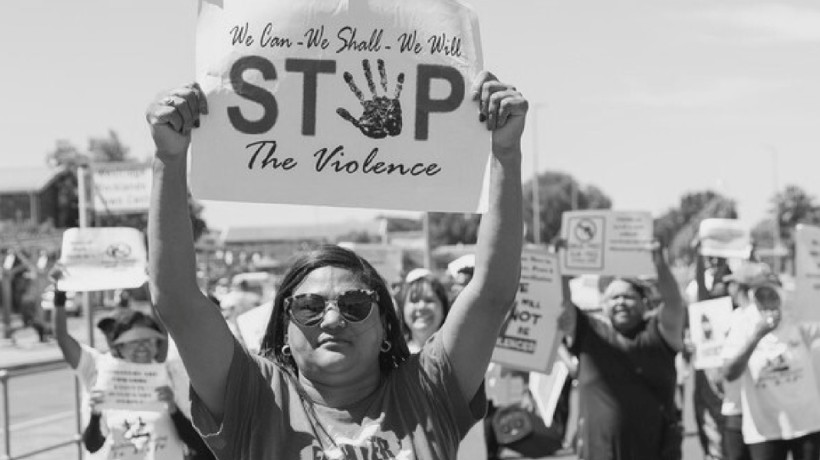
The Violence Interrupters are street-smart individuals who can identify and engage with high-risk individuals. The work of the VIs is about building sufficient trust with high-risk individuals and convincing them not to retaliate and continue the cycle of violence.
The nature of the work requires that VIs is on the streets during hours when violence is more likely to occur.
CeaseFire’s programme theory emphasises three causal factors: norms, decision and risks. First, the programme aims at changing operative norms regarding violence, both in the wider community and among its clients. A second goal of CeaseFire is to provide on-the-spot alternatives to violence when gangs and individuals on the street are making behaviour decisions. Finally, the programme aims at increasing the perceived risks and costs of involvement in violence among high-risk (largely) young people.
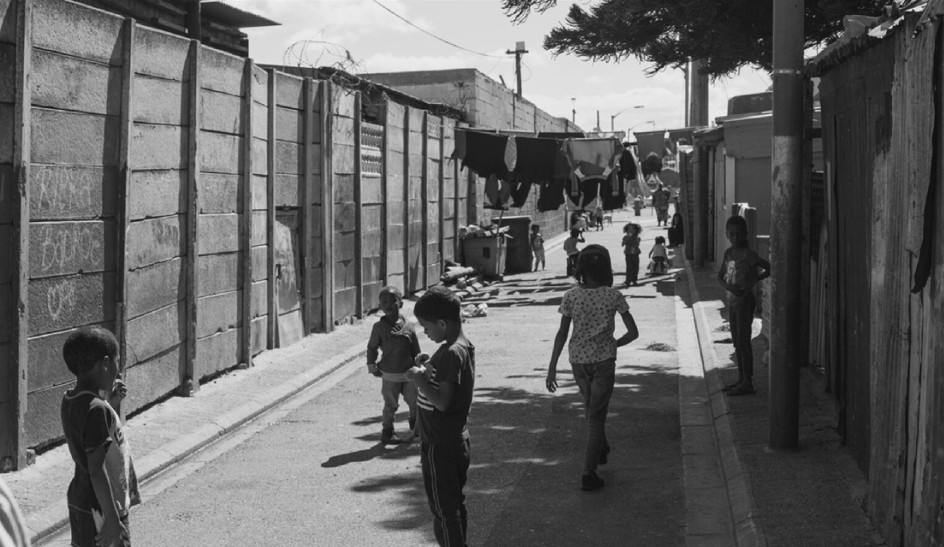
The Violence Interrupters undertakes street level intervention to identify impending violence and respond by providing the participants alternatives for resolving disputes and protecting their honour.
Often one killing leads to more retaliatory killings, and violence ripples through the community, ricocheting between organisations and sometimes involving bystanders and others not involved in the underlying conflict at all.
Within gangs, violence is exercised to impose discipline, collect street taxes, and maintain the standing of powerholders (as when former kingpins return from prison
demanding their share). Between gangs, violence is a tool for settling disputes over drug markets, and those too can escalate into retaliatory spirals.
As with the other components, the Chicago CeaseFire team will provide comprehensive training material for the Violence Interrupters. The Violence Interrupters will undergo initial extensive training and then will continue to meet for weekly supervision.
The Violence Interrupters works work in the neighbourhoods where they grew up or were active as drug dealers and gang members. Unlike outreach workers, they will not carry individual client caseloads. VIs will intervene in arguments before they escalate into shootings. To learn about and even witness brewing conflicts, violence interrupters will hang out with high-risk people. While socialising, interrupters also develop relationships with people on the street in the hopes that they will, at some point, provide street intelligence and be receptive to their appeals not to be a shooter.
Violence interrupters will capitalise on their former leadership roles to hear about and mediate conflicts.
To mediate conflicts, violence interrupters will not attempt to dismantle the drug trade or gang power structures. Instead, they will use ‘street rules’ when mediating property, gang,
and personal conflicts. By working within rather than against informal economies and illicit sovereignties, violence interrupters provide an important alternative to mainstream law enforcement.
When violence interrupters mediate conflicts, each VI will complete a conflict mediation form that captures approximately where the conflict took place, how many people were involved, how high risk they were with regard to both becoming shooters and victims, whether or not the conflict had been temporarily or permanently resolved, and briefly recount the conflict and the interrupter’s mediation strategies.
5. Outreach Work
The Outreach Work component is like certain elements of a social work approach whereby Outreach Workers take on individual high risk clients and assist them with long term alternatives to violence.
The CeaseFire model views the role of Outreach Workers as part of the broader disease control system. Typically, each Outreach Worker will carry a caseload of 15 - 20 of the highest risk participants. High risk participants are assessed in terms of the extent to which they are likely to be victimised themselves or to commit a
violent act. This is established through referrals and against certain criteria. To be classed as high risk, an individual will have to match at least four of seven requirements:
* Gang involvement
* Key role in a gang juvenile youth institutionalised
* Prior criminal history
* Involved in high-risk street activity (e.g., drug markets)
* Recent victim of a shooting
Between the ages of 15 and 29 recently released from prison. These criteria establish priorities for client selection and are employed to focus the programme’s efforts on individuals who are most likely to be perpetrators or targets of gun violence in the immediate future. Other ‘medium/low risk’ clients may be enrolled should a strong motivation be present.
The outreach workers engage with clients to change their thinking about violence, as well as changing their level of risk for violence by redirecting them toward more positive paths. In public health terms the Outreach Workers can be viewed as “lay health workers”.
The Outreach Workers provide counselling and mentoring for their clients. Outreach Workers develop an assessment of client’s personal needs, ranging from family and health issues to education and employment; and then connect them with appropriate services. They will try to get young clients back in school or in FET programmes, help prepare them for the job-finding process, and get them into drug treatment programmes.
The Outreach Workers will draw on the services already offered by local government and civil society service providers. It will be important that the South African CeaseFire model establishes good relationships with FET institutions and other skills training centres. This component will also include a strong psycho-social element both for clients and for staff.
The Outreach Worker training will consist of an initial six-day, 48-hour session followed by subsequent two-hour monthly sessions with supervisors. As with the Violence Interrupters,
the role of supervision is vital to provide accountability and guidance. This role is particularly important given the instability faced by many CeaseFire employees who may be former offenders, the liabilities that many outreach workers bring with them as ex-offenders, and their relatively short professional resumes. Supervisors can themselves be held accountable for knowing if their outreach workers are involving themselves in illegal activities on the street, particularly activities that impact their capacity to do effective outreach (e.g., selling drugs).
As is the case with the Violence Interrupters, the Outreach Workers will also be recruited from the target areas to the extent that it is possible. The positions are full time, with the expectation that Outreach Workers will see their clients several times a week for two or more hours each.
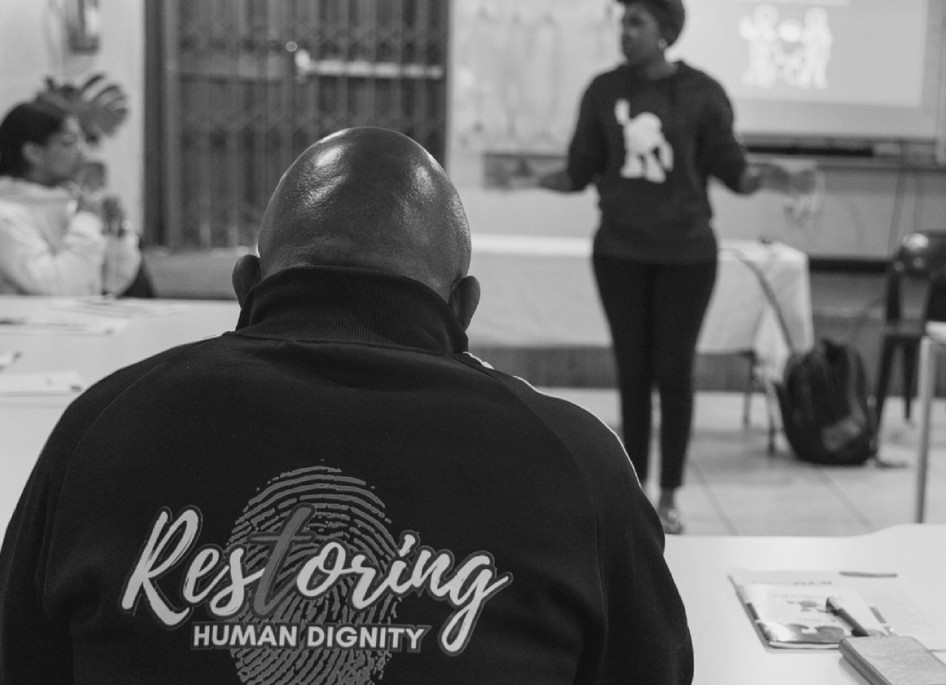
6. Beneficiaries of CeaseFire South Africa
CeaseFire’s participants and beneficiaries will be those people who are on the margins of society and often beyond the reach of conventional services and interventions.
This project will seek to intervene with these people, who without effective interventions are likely to encounter the system through law enforcement, prison, the emergency room, or the grave. This project will interrupt that trajectory. It therefore follows that recruitment will be done very deliberately to engage those most at risk.
The available research shows that those most at risk of shooting or being shot are mostly young urban men within the 15-29 age range. The project will work with young black men in the urban target areas of the Western Cape.
A notable feature of the Chicago CeaseFire program is that it did not aim to directly involve a large number of individuals. Rather, CeaseFire focused on changing the
behaviour of a small number of carefully selected members of the community. The South African adaptation will follow the same approach and focus on working with a small, high risk group of young men.
In addition to reaching these high risk groups, the project will also engage the broader community and family networks attached to these high risk individuals. The project will adopt both an individual level intervention approach as well as a community-based model.
7. Challenges
It will be important to balance the need to stick as closely as possible to the Chicago CeaseFire Model as it has been developed in the USA, while at the same time ensuring sufficient attention to the particulars of the local South African context.
Amongst other things, this will mean striking a balance between cutting costs where possible while at the same time not compromising on the quality and specificity of the CeaseFire model as it has been replicated elsewhere in the world.
Another potential challenge could arise in terms of access to data on shootings and killings. In order to be able to show that the project is making any kind of meaningful impact we will have to establish a reliable baseline assessment of numbers of shootings in the target area. Since 2000 SAPS have not made this kind of disaggregated data available.
The publicly available SAPS data give one figure for ‘murder’, but this is not disaggregated by weapon type. Given the positive response that this project has already had from government, it is hoped that we will be given access to this data. As already indicated elsewhere in this proposal, the baseline can also make use of mortality data and public perception survey data.
Nonetheless, it will be crucial that we are permitted access to SAPS data on shootings.

8. Impact
The ‘CeaseFire in South Africa’ project will be a groundbreaking safety intervention and will make an impact in the lives of its target communities. Concretely, the project will;
* Change the behaviour and social norms that perpetuate violence and give rise to shootings, killings and injuries in the target areas
* Reduce the number of shootings, killings and injuries in the target areas
The CeaseFire intervention is different from other interventions in that it is evidence based, can easily be taken to scale and facilitates multi-sector engagement.
The project will make an impact on at least three levels:
* A positive influence on trends in shootings and killings in the target area
* A positive influence in the concentration of crime hot spots
* A positive influence on gang homicide networks
While a comprehensive impact evaluation is ongoing it will only be realistically possible once there is sufficient post-intervention data for a time series analysis, summative impact assessments will be undertaken to ensure that the project is on the right track.
Comparison areas are identified to represent the counterfactual situation of the target areas, i.e. areas where CeaseFire will not be operational. The comparison areas essentially represent the host of known and unknown factors that lie behind this general decline in crime, helping us isolate the independent effects and impact of CeaseFire.
- 9. Evaluation
As already mentioned, the project is fortunate to have institutional support from the University of Cape Town (UCT). The evaluation component will be coordinated in
collaboration with UCT. And the project has full patent right from Cure Violence USA under Dr Gary Slutkin at the time.
The project includes both process and outcome evaluations. The process evaluation documents how the project looks in the field. This will include documenting issues involved in selecting target neighbourhoods, choosing local host organisations, staffing, training, and management aspects. Data will include meeting minutes and key informant interviews. In terms of replicability, it will be important to track how the coalition of organisations is formed and works.
The outcome evaluation uses interrupted times-series design. This involves tracking the outcome over time, introducing the programme, and seeing if anything changes. The outcome evaluation will use statistical models, hot spot maps and gang network analyses
to assess the project’s impact on shootings and killings. Also data of gunfire detection is
overlaid with the evaluations (shotspotter)
The effects of the intervention on the duration of change are estimated using a “transfer function” which models any significant effects of the programme onto corresponding levels of crime. The results provide an estimate of the difference in the level of crime before and after a program. Finally, this approach can untangle whether trends in the evaluation target areas were unique or just matched trends in the comparison areas. The use of a comparison series is a research design rather than statistical feature of the study, and it provides a basis for inferring that the observed changes could be attributed to the introduction of CeaseFire.
Killings - Killings is examined using a different statistical model, but the same research design. The Poisson regression takes the following form, where T is a 0-1 predictor variable that takes a value of “1" after the programme (“treatment”) was introduced, and POP is the log of the size of the estimated population of the area that month.
Mapping Hot Spots - Hot spot maps enables us to examine geographical patterns of crime, and how they differ in two time periods. The changes that could take place are numerous. They include:
* concentrations of shootings could decline in density, evidencing fewer shootings per square km
* shootings might relocate, from one section of an area to another;
* visual evidence suggesting displacement from a program area to a near-by comparison area;
* shooting gradients might flatten, with hot spots spreading to cover a wider but lower density area, or hot spots could grow smaller but more intense.
The interpretations of the maps will differ from the statistical analyses of time series explanation mentioned above. Those analyses will examine monthly trends in crime rates by aggregating all incidents in the programme and comparison areas over a 24- month period. The map analyses on the other hand will disaggregate the same incident data, and examine their distribution across space within the programme and comparison areas. The time frame that is considered here is also much shorter, because it uses only two years of pre-programme data and data for the first two years following the implementation of the programme. Here again Gunfire detection analytical data will be overlaid.
Social norms and behaviour – Given the intangible nature of norms, evaluation is slightly more difficult. Key informant interviews will assist in gauging community
members’ perceptions to violence before, during and after the intervention. In addition, community surveys will be undertaken to assess the extent to which the
anti-violence messaging is in fact getting onto the street.
- Implementation 2010 -2018 includes stakeholder and steering committee formations. Above mention programmes was implemented in Hanover Park Cape
town form 2010 till 2018 with a 43% reduction in shooting and violent crimes. It also has a fully-fledged tailor made to the SA Context M&E Master framework
which allows it to be replicated in any community plagued with similar issues unfortunately a program of this nature cannot be implemented without all its pillars
but will allow for training - Merging Ceasefire Hanoverpark ASF Khusela partnership since 2021 and why
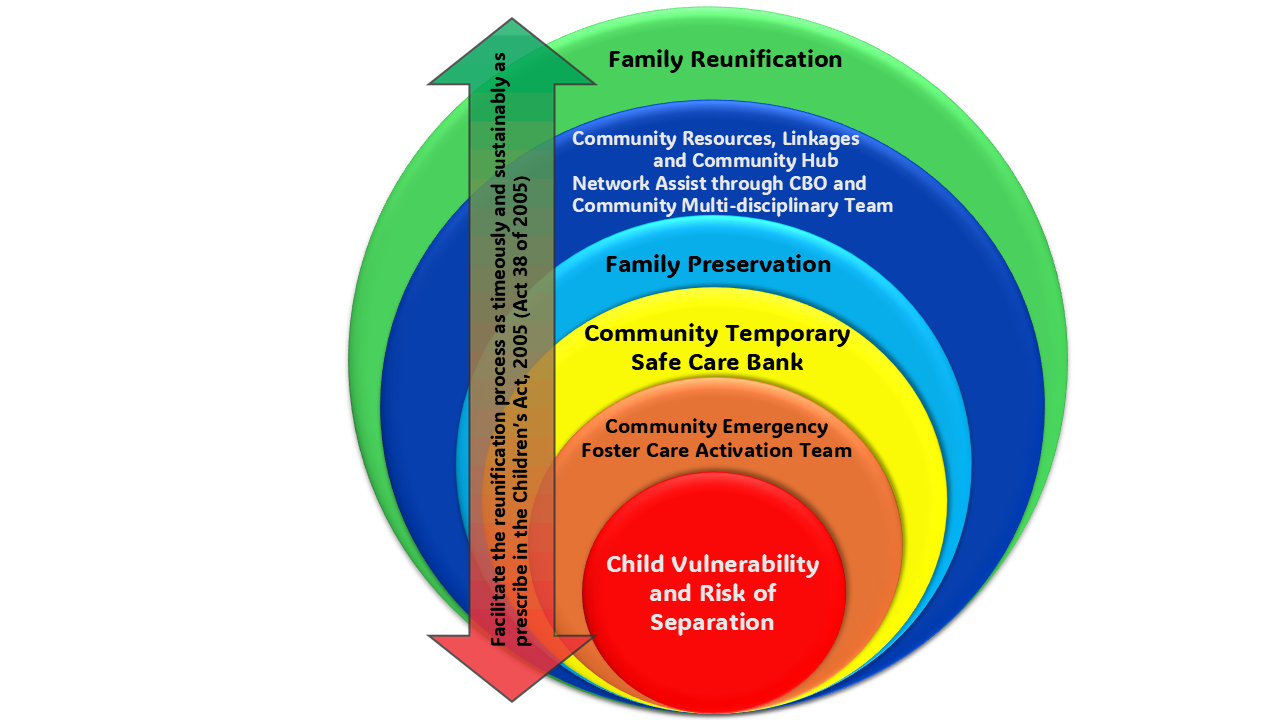
- Reaching this common ground for maximum impact was important for both strategies because the similarities within the frameworks spoke to the same
outcomes but to different age groups - After intense training with the knowledge partner Hope and Homes for Children/One Child One Family on Care Reform, Global Safeguarding of Children
and the Child protection systems that needed to be set I’m place before moving forward - An intense baseline survey was suggested within the target area Hanover Park where a 10%-sample study of interviews was done with 1200 families out of the
12000 homes within the area. Outcome of the study raised serious alarm on the safety of children and the child protection services procedures within high-risk
areas - The study found 780 families were flagged and the bulk of the placement was done via child protection services without the necessary assessments and risk reduction
/safeguarding protocols before placements - No eco /support systems or follow-ups for host families because of lack of staff and staff turn around which was calculated at 6 months at the time
- This baseline was not exposed instead the All for One Child model (HHC, OCOF, FCRC and CFCV) created solutions after we identified 169 children with immediate
serious needs - 1) We the utilized the two frameworks identify and detect, interrupt, alter behaviour, real time data recover and M&E
- 2) Prevention of Family breakdown, prevention of institutionalising, temporary safety and foster families, eco family support system real-time data recovery and M&E
- Outcomes of this pilot programme
- It fostered a working relationship with the local stakeholder forum ‘faith base institution and created a multi display approach for swifter engagement with
families and communities - Prevention of recruitment of children and youth gang members
- Understanding the eco systems needed to be supported
- Lobbying with DSD to utilise our academic and strategic support systems
- Training and developing parents and caregivers across the domains
- Reducing GBV and Youth Gang Violence
- Restoring hope within communities linking and referring them to help in shorter periods as normal
- Creating a referral pathway for extreme high-risk area
- Reunifying and reintegration families instead of removals and institutionalisation because every child deserves to live with in a family
- Training families regarding blended and alternative family types
- Creating temporary safehouses to foster reintegration
- Investing much attention to trauma informed violence and prevention of family breakdown looking at urban displacement invoked unresolved trauma
10. Conclusions and strategy frameworks to maximize impact moving forward with the combined Ceasefire AFS-KHUSELA programming.
Looking at three intervention areas
1.Situational derailment prevention (the wat the areas was build during apartheid is to self-destruct)
2.Institutional derailment prevention (Prison, CYCC. Juvenile detention centres. Formal schools, Skills school, Learning centres, FET and Academic Institutions
3.Social derailment prevention (negative social environment between NGO, Government, Law enforcement and Communities )
Two ways of being contaminated with derailment
1.Environmental contamination (like TB some spreads it whilst others immune systems are weak to fight it and become part of the problem without choosing
hence a processed program are needed to heal and assist the individual)
2.Behavioural contamination (like HIV when someone have resources and education to be treated but chooses not to be treated Choice and consequences
module is activated
Ceasefire and AFS-KHUSELA modules have proven to be very successful in its pilot
implementation over the last 5 years.
Craven Engel
CEO
First Community Resource Centre
Hanover Park
Western Cape
South Africa